Kitchen micro zone
The Sink and Dishwashing Zone
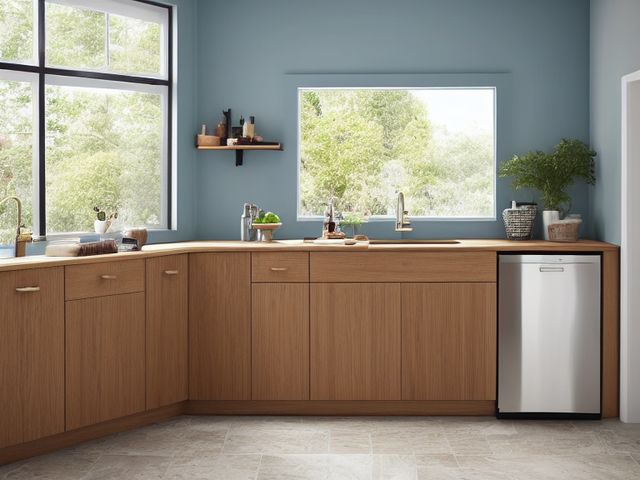
The sink area, in the Kitchen. The washing point for dishes, hands, and produce, and the place the whole kitchen resets from. An empty sink with a dry basin and a wiped drain flange. One brush and one sponge standing upright where they drain rather than lying in a puddle. The drying rack either empty or holding only what is still wet. Under the sink, a single tray holding dish soap, dishwasher tablets, and one all-purpose cleaner, with the pipes visible around them.
One session: 30-45 min, most of it under the sink, where the cleaners have been breeding.
The short version
- Sort. Pull everything out from under the sink and line it up on the floor
- Straighten. Soap and brush live in a caddy you can lift with one wet hand
- Shine. The sponge is the dirtiest object in the room: wring it
- Safety. Never store bleach beside an ammonia or toilet cleaner under this sink
- Standardize. Write the empty-sink standard on a card taped inside the cabinet door
- Sustain. Whoever switches the kitchen light off empties the basin and wipes it dry, two minutes
Each step in full, with what to have on hand and what done looks like, below.
Where it is
Kitchen
7 micro zones, one session each
- 1The Primary Prep Counter
- 2The Cooking Zone
- 3The Sink and Dishwashing Zone
- 4The Upper Cabinets
- 5The Lower Cabinets and Cookware
- 6The Utensil and Utility Drawers
- 7The Refrigerator and Freezer
What done looks like
The washing point for dishes, hands, and produce, and the place the whole kitchen resets from.
- An empty sink with a dry basin and a wiped drain flange
- One brush and one sponge standing upright where they drain rather than lying in a puddle
- The drying rack either empty or holding only what is still wet
- Under the sink, a single tray holding dish soap, dishwasher tablets, and one all-purpose cleaner, with the pipes visible around them
What done looks like
An empty sink with a dry basin and a wiped drain flange. One brush and one sponge standing upright where they drain rather than lying in a puddle. The drying rack either empty or holding only what is still wet. Under the sink, a single tray holding dish soap, dishwasher tablets, and one all-purpose cleaner, with the pipes visible around them.
Common items here
- One brush and one sponge, standing upright where they drain
- Dish soap, dishwasher tablets, and one all-purpose cleaner, on a single tray under the sink
- The drying rack, empty or holding only what is still wet
- A hand towel, on a bar within reach of the basin
Check these before you start
- Water and electricityA kettle, a socket, or a charging phone within splash distance of the basin, handled with wet hands, is the electrical risk this room actually has.
- Poison, choke, or strangleBleach mixed with an acidic or ammonia cleaner in the basin releases a gas that will drive you out of the room, and both bottles usually live under this sink.
Which of these is true here?
Match what you are actually seeing in the sink area to why it keeps happening, then start at the pass that fixes that, not the top of the list.
The sink is full again by evening
- There is no moment in the day when it gets cleared. Confirm in 30 seconds: Name the moment it happens. If the answer is "when I get round to it", there is no trigger and it will not survive a bad week. If that checks out, start at Sustain.
- Dishes have nowhere to go until the dishwasher is emptied. Confirm in 30 seconds: Fetch it once and count the movements. More than two and the storage is charging you rent every time. If that checks out, start at Straighten.
- Two of us run this sink two different ways. Confirm in 30 seconds: Do the shared task together, once. The argument that starts is the conflict, and it is a design problem, not a character problem. If that checks out, start at Standardize.
Under the sink is a chemical jumble
- Bleach and an acidic cleaner are standing side by side. Confirm in 30 seconds: Look for the four: a blade your hand would meet, weight above shoulder height, heat beside something that burns, and an unsafe placement near a child's reach. If that checks out, start at Safety.
- Nothing under here has a defined place. Confirm in 30 seconds: Ask where one specific item lives. If two people answer differently, or nobody answers, it has no home. If that checks out, start at Straighten.
- We have bought the same cleaner three times. Confirm in 30 seconds: Count what you used in the past month. If the honest number is a third of what is stored here, the space is not too small. If that checks out, start at Sort.
The sponge smells
- It lies flat in a puddle instead of standing to drain. Confirm in 30 seconds: Stand where you use it and count the steps to where it is kept. More than two is the wrong cabinet. If that checks out, start at Straighten.
- Nothing says when it gets replaced. Confirm in 30 seconds: Find the last one of something you use daily. If nothing tells you it is the last one, you will find out at the worst possible moment. If that checks out, start at Standardize.
- Nobody agreed what this sink looks like at the end of a day. Confirm in 30 seconds: Ask two people in the house to describe this zone when it is finished. Two different answers means there is no standard to keep. If that checks out, start at Standardize.
Only have 15 minutes? Empty basin, dry basin, two tools standing. Victory: Dry basin, two tools standing, nothing lying in water.
The six passes, in order
Work them in this order. Sorting after you have arranged things means arranging things you were about to remove.
This zone's full kit list is below, after the method. Skim it first if you would rather gather everything before you start.
Sort
Decide what stays. Everything else leaves the zone now.
Pull everything out from under the sink and line it up on the floor. Combine the three half-empty bottles of the same spray, bin what has separated or lost its label, and move out anything that is not dish, sink, or plumbing related, because that cabinet gets damp and is the wrong home for spare bulbs, paper goods, or vases.
What to store it in, now that you know what you are keeping
Bins and shelves are for what Sort left behind, not a stand-in for it. Buying storage before sorting means buying a container for things you have not yet decided to keep.
Only if it applies to the sink area: 5 more
Not every home needs these for the sink area. Each one is here because some do, and the reason is next to it.
- Lid Organizer Separate cookware or food-container lids, in the Straighten, Standardize and Sustain passes. Do not overload; anchor wall-mounted or tall systems where required.
- Pan and Bakeware Divider Store cookware and bakeware vertically, in the Straighten, Standardize and Sustain passes. Do not overload; anchor wall-mounted or tall systems where required.
- Spice Organizer Make spices visible and retrievable, in the Straighten, Standardize and Sustain passes. Do not overload; anchor wall-mounted or tall systems where required.
- Airtight Food Container Set Protect dry goods and improve inventory visibility, in the Straighten, Standardize and Sustain passes. Do not overload; anchor wall-mounted or tall systems where required.
- Leak Tray Protect cabinets and expose plumbing leaks, in the Straighten, Standardize and Sustain passes. Do not overload; anchor wall-mounted or tall systems where required.
Straighten
Give what stays a home, placed where the hand actually reaches.
Soap and brush live in a caddy you can lift with one wet hand, so wiping under them takes no planning. Dishwasher tablets go in a container beside the machine rather than across the room, and the towel gets a bar within reach of somebody already standing at the basin.
Shine
Clean it, and use the cleaning to inspect what you cannot see when it is full.
The sponge is the dirtiest object in the room: wring it out and stand it on edge after every wash, and retire it the day it smells while dry. Scrub the drain flange, wipe the rubber seal all the way around the dishwasher door, and pull the dishwasher filter out and rinse it, because a filter that has never come out since the machine was fitted is why the glasses come out gritty.
Surface by surface, all 7 of them, with what to use on each.
Safety
Make the zone safe for everybody who uses it, including the shortest person.
Never store bleach beside an ammonia or toilet cleaner under this sink, and never combine them in the basin; keep them apart, capped, and labels facing out. If small children live here or visit, this is the one kitchen cabinet that genuinely earns a latch.
Standardize
Write down the best way you know today, so it survives you forgetting.
Write the empty-sink standard on a card taped inside the cabinet door: dishes in the machine or washed, basin wiped, brush standing, towel hung. A standard is the best way you know today, written down.
Sustain
Attach the reset to something that already happens, so it keeps itself.
Whoever switches the kitchen light off empties the basin and wipes it dry, two minutes, and that person is different every night, which is why the rule hangs on the switch rather than on a name. The morning tells you: one bowl left overnight is a full sink by tomorrow night, because a basin with something in it reads as available. Recovery is those two minutes, done then, not a scheduled catch up. The sink slips faster than the counters because it is where anyone who will not open the dishwasher puts things.
The kit this zone called for
Everything above assumed you had these already. Types of thing, not brands: anything you already own that does the job is the right one to use.
- Color-coded microfiber cloth set ×12 Shine Wash by use color; avoid fabric softener.
- Neutral pH multi-surface cleaner Shine, Sustain Verify surface compatibility; lock around children and pets.
- Compact vacuum with attachments Shine Use appropriate attachment.
- Keep, Relocate, Donate, Recycle, Trash container set ×5 Sort Do not block exits.
- Portable cleaning caddy Straighten, Shine, Sustain Secure chemicals from children and pets.
- Portable label maker Standardize, Sustain Follow surface and adhesive guidance.
- Removable write-on labels Standardize Test on delicate finishes.
Only if it applies to the sink area: 1 more
- FIFO Date Marker Standardize, Sustain Install and use according to product instructions.
Whether soaking is allowed
The real decision in this zone is not what to keep, it is whether you let the basin be a staging area. Soaking is the word a kitchen uses for postponing, and one soaking pan gives every other dish permission to join it. Settle it with a deadline rather than a ban: a pan may soak, but only until the current dishwasher cycle ends or until you next leave the room, whichever comes first. If a dish cannot meet that deadline, it gets washed now or goes in the machine dirty. The rule holds because it names a moment, and moments arrive on their own.
Cleaning it properly, surface by surface
This is the point the whole kitchen resets from, so it has to be genuinely clean, not just rinsed. The sponge is the dirtiest object in the room and the dishwasher filter is the reason your glasses come out gritty, so neither gets skipped.
Work down, not across. Whatever comes off a high surface lands on the one below it, so cleaning the floor first means cleaning it twice.
Carry these in with you. Neutral pH multi-surface cleaner; Color-coded microfiber cloth set; Small detail brush set; Portable cleaning caddy.
- The tap, its base, and the aerator
Work top to bottom. Wipe the tap and handle with a neutral pH cloth, then push a detail brush around the base collar where limescale and grime ring it. Where the water has slowed, this is where scale is building at the aerator tip, so brush the tip too. - The basin, the drain flange, and the overflow
Clean the whole basin with neutral pH cleaner, then scrub the drain flange and the underside lip of it with a detail brush where a dark film grips. Run the brush into the overflow slot too, which grows its own slime unseen. - The soap dispenser, the dish-soap bottle, and the surround they stand on
Lift the pump dispenser and the dish-soap bottle and wipe the tacky ring of dried soap under each one, then wipe the bottles themselves and the strip of surround where they stand. Run a damp cloth along the sealant bead around the sink rim while you are there. - The sponge, the brush, and the drying rack
Wring the sponge out hard and stand it on edge where it drains rather than leaving it in a puddle, and retire it the day it smells while dry. Stand the brush bristles up. Empty the drying rack and wash its tray and the channel that carries water back to the sink. - The dishwasher door seal and the filter
Wipe the rubber gasket all the way around the dishwasher door, pulling gently into its folds with a damp cloth where black specks hide. Then twist the filter out of the floor of the machine and rinse it under the tap, clearing the mesh, because a filter that has never come out is why things come out gritty. - The under-sink cabinet, its tray, and the pipes
Take the cleaning tray out and wipe the cabinet floor with a neutral pH cloth, working right into the back corners. Wipe down the trap and the visible pipes while you are in there, then dry the base before the tray goes back so nothing sits on a damp board. - The waste disposal collar, its splash guard, and the grind chamber
Switch the power off at the wall or the isolator before anything else, and keep your hand out of the chamber whether or not it is off. Almost all of the smell people blame on the drain is on the UNDERSIDE of the rubber splash guard: peel each flap back and scrub both faces with a detail brush and food-area degreaser, then rinse. Brush the collar where it meets the sink flange. Finish by running cold water for thirty seconds with the disposal on, because cold keeps fats solid enough to be carried away rather than smeared down the pipe.
How to clean anything else in the house, surface by surface.
Inspect as you clean. Cleaning is the only time you see the zone empty, so use it.
- A damp patch, a water stain, or a warped, darkening board on the cabinet floor under the trap, the quiet sign of a slow leak.
- Soft black mold in the folds of the dishwasher gasket or in the sealant bead running around the rim of the sink.
- Rust, a green crust, or a bead of moisture forming on a pipe joint or the compression fitting under the sink.
- A sponge or brush that smells while it is dry, telling you it is spent no matter how it looks.
- Swelling, blistering, or dark staining along the front edge of the cabinet base where splashes land and soak in.
The standard that keeps it fixed
Empty sink, dry basin, one brush and one sponge standing, cleaners on one tray with the plumbing visible.
Reset trigger. When the coffee brews in the morning, the sink gets checked and cleared.
How much the sink area can actually hold
One tray under the sink holding dish soap, dishwasher tablets, and one all-purpose cleaner, with the pipes still visible around it.
If those three items, in a tray small enough to leave the pipes visible, still will not fit without wedging against the plumbing, the under-sink cavity is too shallow for even the minimum kit, and the tray belongs somewhere else in the kitchen instead. Run the honest count.
When this does not describe your sink area
The passes above describe the ordinary case. Plenty of real households are not ordinary, and the fix is not to skip the method, it is to run it against a different starting shape.
- No dishwasher, everything washed by hand
- The drying rack has to hold more volume for longer, so give it the counter space on both sides of the sink, not squeezed to one side, and empty it fully at least once a day rather than letting clean dishes wait there until the next meal needs the space.
- A shared house or apartment where people wash up on different schedules
- The single under-sink tray of cleaners works only if everyone uses the same one. Label it and put it back in the same spot every time, since a shared kitchen's usual failure is three half-used bottles from three different people instead of one.
The rest of the kitchen
Each of these is one session on its own.
- The Primary Prep Counter
- The Cooking Zone
- The Sink and Dishwashing Zone, you are here
- The Upper Cabinets
- The Lower Cabinets and Cookware
- The Utensil and Utility Drawers
- The Refrigerator and Freezer
The Kitchen in full, with what each of the 7 zones is for
The kitchen as a deck of 72 cards: the frictions people report in each zone, the root cause behind each one, and the timed action that clears it. Free to read or print.
Zones that do the same job, elsewhere in the house
Different room, different name, same real job. Each one is its own page because the room around it changes what actually works.
- The Vanity Counter in the primary bathroom
- The Under-Sink Cabinet in the primary bathroom
- The Guest Vanity Counter in the guest bathroom
- The Guest Vanity Storage in the guest bathroom
Related reading
- A phone charging within splash distance of this basin?
- Does something in this zone actually get used somewhere else?
- Moving three things to get to the one you need?
- Why this zone gets messy again
- Does this zone keep running out of something?
Questions people ask about this zone
- How long does it take to reset the sink area?
- One session: 30-45 min, most of it under the sink, where the cleaners have been breeding.
- What does a finished sink area look like?
- An empty sink with a dry basin and a wiped drain flange. One brush and one sponge standing upright where they drain rather than lying in a puddle. The drying rack either empty or holding only what is still wet. Under the sink, a single tray holding dish soap, dishwasher tablets, and one all-purpose cleaner, with the pipes visible around them.
- What is the hardest call to make in the sink area?
- The real decision in this zone is not what to keep, it is whether you let the basin be a staging area. Soaking is the word a kitchen uses for postponing, and one soaking pan gives every other dish permission to join it. Settle it with a deadline rather than a ban: a pan may soak, but only until the current dishwasher cycle ends or until you next leave the room, whichever comes first. If a dish cannot meet that deadline, it gets washed now or goes in the machine dirty. The rule holds because it names a moment, and moments arrive on their own.
- How do you keep the sink area from getting cluttered again?
- Empty sink, dry basin, one brush and one sponge standing, cleaners on one tray with the plumbing visible. When the coffee brews in the morning, the sink gets checked and cleared.
- What do you need to clean the sink area?
- Neutral pH multi-surface cleaner; Color-coded microfiber cloth set; Small detail brush set; Portable cleaning caddy.
- What do you clean first in the sink area?
- The tap, its base, and the aerator. Work top to bottom. Wipe the tap and handle with a neutral pH cloth, then push a detail brush around the base collar where limescale and grime ring it. Where the water has slowed, this is where scale is building at the aerator tip, so brush the tip too.
- Is there a water and electricity risk in the sink area?
- A kettle, a socket, or a charging phone within splash distance of the basin, handled with wet hands, is the electrical risk this room actually has.
- Is there a poison, choke, or strangle risk in the sink area?
- Bleach mixed with an acidic or ammonia cleaner in the basin releases a gas that will drive you out of the room, and both bottles usually live under this sink.
- Why does the sink area do this: The sink is full again by evening?
- There is no moment in the day when it gets cleared, so start at Sustain; Dishes have nowhere to go until the dishwasher is emptied, so start at Straighten; Two of us run this sink two different ways, so start at Standardize.
- Why does the sink area do this: Under the sink is a chemical jumble?
- Bleach and an acidic cleaner are standing side by side, so start at Safety; Nothing under here has a defined place, so start at Straighten; We have bought the same cleaner three times, so start at Sort.
- Why does the sink area do this: The sponge smells?
- It lies flat in a puddle instead of standing to drain, so start at Straighten; Nothing says when it gets replaced, so start at Standardize; Nobody agreed what this sink looks like at the end of a day, so start at Standardize.
Watch this zone
The same steps as above, done on camera, with captions. Nothing is sent to YouTube until you press play.
When you want it off the screen
Carry The Sink and Dishwashing Zone into the room
The method above is complete and free. The Whole House Print Pack puts The Sink and Dishwashing Zone and the other 113 micro zones on 684 printable cards, so the steps you just read are not stuck behind a phone screen while your hands are full.
The Print Pack, 19 dollarsOr draw a card free
If The Sink and Dishwashing Zone keeps fighting back, the real problem usually sits somewhere else in the room. A one hour virtual consult is 250 dollars: we find the function, the friction and the root cause together, and you keep a written standard for the space.
See what a consult covers, 250 dollars
Not ready to pay for that either? Ask which zone first, free