Kitchen micro zone
The Refrigerator and Freezer
The refrigerator and freezer, in the Kitchen. Cold storage that has to keep food safe and show you what you already own before you shop. Raw meat sealed on the lowest shelf. Leftovers in clear containers at eye level, each with a name and a date on the lid. One bin marked for what must be eaten this week, sitting where the door opens straight onto it. The vents at the back wall clear of anything pressed against them, the door holding condiments only, and nothing in the freezer without a label.
One session: 60-90 min, most of it in Sort and Shine, and the freezer is where it slows right down.
The short version
- Sort. Work one shelf at a time so nothing sits out warming while you decide
- Straighten. Raw proteins go on the lowest shelf
- Shine. Pull the crisper drawers right out and wash them in the sink
- Safety. Raw meat sealed and stored below ready-to-eat food is nearly the whole of cross contamination
- Standardize. A roll of tape and a marker live on top of the fridge
- Sustain. Writing the shopping list is the trigger, and the writer does it
Each step in full, with what to have on hand and what done looks like, below.
Where it is
Kitchen
7 micro zones, one session each
- 1The Primary Prep Counter
- 2The Cooking Zone
- 3The Sink and Dishwashing Zone
- 4The Upper Cabinets
- 5The Lower Cabinets and Cookware
- 6The Utensil and Utility Drawers
- 7The Refrigerator and Freezer
What done looks like
Cold storage that has to keep food safe and show you what you already own before you shop.
- Raw meat sealed on the lowest shelf
- Leftovers in clear containers at eye level, each with a name and a date on the lid
- One bin marked for what must be eaten this week, sitting where the door opens straight onto it
- The vents at the back wall clear of anything pressed against them, the door holding condiments only, and nothing in the freezer without a label
What done looks like
Raw meat sealed on the lowest shelf. Leftovers in clear containers at eye level, each with a name and a date on the lid. One bin marked for what must be eaten this week, sitting where the door opens straight onto it. The vents at the back wall clear of anything pressed against them, the door holding condiments only, and nothing in the freezer without a label.
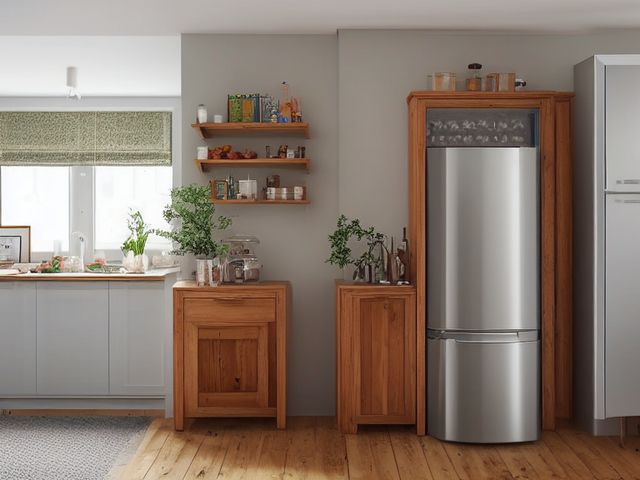
Common items here
- Raw meat, sealed on the lowest shelf
- Leftovers, in clear containers with a name and a date on the lid
- The eat-this-week bin, at the front where the door opens onto it
- Condiments, in the door, with everything else inside the body of the fridge
Check these before you start
- Poison, choke, or strangleJuices from a raw meat package stored above ready-to-eat food drip onto what nobody is going to cook again, and the salad is the usual victim.
- Fall, cut, or crushHeavy glass jars stored at the top of the door or on the top shelf fall onto a tiled floor when the door is swung, and they shatter at foot level.
Which of these is true here?
Match what you are actually seeing in the refrigerator and freezer to why it keeps happening, then start at the pass that fixes that, not the top of the list.
We throw food away every week
- We cannot see what we already own. Confirm in 30 seconds: Open the door and, without moving anything, name what is at the back. If you cannot, that stock is invisible. If that checks out, start at Straighten.
- Nothing has a place that means eat this first. Confirm in 30 seconds: Ask where one specific item lives. If two people answer differently, or nobody answers, it has no home. If that checks out, start at Straighten.
- Nothing checks the fridge before the shopping list. Confirm in 30 seconds: Name the moment it happens. If the answer is "when I get round to it", there is no trigger and it will not survive a bad week. If that checks out, start at Sustain.
Raw meat sits above the salad
- Raw food above ready to eat food drips onto it. Confirm in 30 seconds: Look for the four: a blade your hand would meet, weight above shoulder height, heat beside something that burns, and an unsafe placement near a child's reach. If that checks out, start at Safety.
- No shelf has been assigned to anything. Confirm in 30 seconds: Ask where one specific item lives. If two people answer differently, or nobody answers, it has no home. If that checks out, start at Straighten.
- The low shelf is full of drinks. Confirm in 30 seconds: Stand where you use it and count the steps to where it is kept. More than two is the wrong cabinet. If that checks out, start at Straighten.
The back of the fridge is archaeology
- Nothing carries a date. Confirm in 30 seconds: Open the door and, without moving anything, name what is at the back. If you cannot, that stock is invisible. If that checks out, start at Straighten.
- There is no moment when the fridge gets cleared. Confirm in 30 seconds: Name the moment it happens. If the answer is "when I get round to it", there is no trigger and it will not survive a bad week. If that checks out, start at Sustain.
- Leftovers go in and are never counted again. Confirm in 30 seconds: Find the last one of something you use daily. If nothing tells you it is the last one, you will find out at the worst possible moment. If that checks out, start at Standardize.
Only have 15 minutes? Raw low, dates on, one eat first bin at the front. Victory: Nothing raw above anything ready to eat, every leftover dated, and one bin at the front that tells you what to cook tonight.
The six passes, in order
Work them in this order. Sorting after you have arranged things means arranging things you were about to remove.
This zone's full kit list is below, after the method. Skim it first if you would rather gather everything before you start.
Sort
Decide what stays. Everything else leaves the zone now.
Work one shelf at a time so nothing sits out warming while you decide. Anything frozen past recognition and unlabeled goes, and every opened jar, sauce, and dressing gets judged against the date on its lid rather than by smell, because dressings and sauces go on smelling fine long after they should have gone.
What to store it in, now that you know what you are keeping
Bins and shelves are for what Sort left behind, not a stand-in for it. Buying storage before sorting means buying a container for things you have not yet decided to keep.
Only if it applies to the refrigerator and freezer: 6 more
Not every home needs these for the refrigerator and freezer. Each one is here because some do, and the reason is next to it.
- Produce Keeper Bin ×2 Improve produce visibility and condition, in the Straighten, Standardize and Sustain passes. Do not overload; anchor wall-mounted or tall systems where required.
- Refrigerator Bin Set Group and contain refrigerated food, in the Straighten, Standardize and Sustain passes. Do not overload; anchor wall-mounted or tall systems where required.
- Pan and Bakeware Divider Store cookware and bakeware vertically, in the Straighten, Standardize and Sustain passes. Do not overload; anchor wall-mounted or tall systems where required.
- Food Date Label Kit Date leftovers and opened food, in the Straighten, Standardize and Sustain passes. Do not overload; anchor wall-mounted or tall systems where required.
- Spice Organizer Make spices visible and retrievable, in the Straighten, Standardize and Sustain passes. Do not overload; anchor wall-mounted or tall systems where required.
- Airtight Food Container Set Protect dry goods and improve inventory visibility, in the Straighten, Standardize and Sustain passes. Do not overload; anchor wall-mounted or tall systems where required.
Straighten
Give what stays a home, placed where the hand actually reaches.
Raw proteins go on the lowest shelf, where a leaking package cannot drip onto anything below it. Dairy goes inside the body of the fridge rather than in the door, where the temperature swings every time it opens. Produce goes in the drawers with the humidity slider actually set, and the eat-first bin goes at the front at eye level.
Shine
Clean it, and use the cleaning to inspect what you cannot see when it is full.
Pull the crisper drawers right out and wash them in the sink, because the sticky ring under a drawer is where a forgotten cucumber ended. Vacuum the condenser coils at the back or underneath, and wipe the door gasket in its folds, since a gasket usually fails from grime long before it fails from age.
Surface by surface, all 7 of them, with what to use on each.
Safety
Make the zone safe for everybody who uses it, including the shortest person.
Raw meat sealed and stored below ready-to-eat food is nearly the whole of cross contamination prevention in one move. Keep the rear vents clear so the compartment actually holds its temperature, and put a cheap thermometer on the middle shelf so you know what the fridge is running at instead of assuming.
Standardize
Write down the best way you know today, so it survives you forgetting.
A roll of tape and a marker live on top of the fridge, and nothing goes in without a name and a date on the lid. If it is not named and dated, it is not stored, it is abandoned.
Sustain
Attach the reset to something that already happens, so it keeps itself.
Writing the shopping list is the trigger, and the writer does it: empty the eat-first bin of anything past, then write the list from the gaps that leaves. Ten minutes, replacing a job you were doing anyway. Two signals read with the door open are an eat-first bin that is filling rather than emptying, and a container with no name and date on the lid. Recovery is one shelf and the bin, not a full unload. This is the only zone whose contents get worse while nobody touches them, so a fortnight of not looking is never neutral.
The kit this zone called for
Everything above assumed you had these already. Types of thing, not brands: anything you already own that does the job is the right one to use.
- Color-coded microfiber cloth set ×12 Shine Wash by use color; avoid fabric softener.
- Neutral pH multi-surface cleaner Shine, Sustain Verify surface compatibility; lock around children and pets.
- Compact vacuum with attachments Shine Use appropriate attachment.
- Keep, Relocate, Donate, Recycle, Trash container set ×5 Sort Do not block exits.
- Portable cleaning caddy Straighten, Shine, Sustain Secure chemicals from children and pets.
- Portable label maker Standardize, Sustain Follow surface and adhesive guidance.
- Removable write-on labels Standardize Test on delicate finishes.
Only if it applies to the refrigerator and freezer: 2 more
- FIFO Date Marker Standardize, Sustain Install and use according to product instructions.
- Shelf Location Label Set Standardize, Sustain Install and use according to product instructions.
The container you keep moving to the front
The genuinely hard call here is not the obviously spoiled food, it is the container of good leftovers you have now shifted forward three times. Ask what would actually have to happen for it to be eaten, and be concrete: which meal, which day, who eats it. If you cannot answer, it is not food you are storing, it is the guilt of having cooked too much. Bin it today, then fix the cause rather than the symptom: cook a smaller batch, or portion leftovers into a lunch container the same evening you cook, before the fridge door closes. A leftover that goes in already assigned to a meal gets eaten. A leftover that goes in undecided is a decision you have only postponed at four degrees.
Cleaning it properly, surface by surface
Pull the crisper drawers right out and wash them in the sink, because the sticky ring underneath is where a forgotten cucumber ended. The parts that keep food safe, the gasket and the vents and the coils, are the ones a quick wipe always misses.
Work down, not across. Whatever comes off a high surface lands on the one below it, so cleaning the floor first means cleaning it twice.
Carry these in with you. Neutral pH multi-surface cleaner; Color-coded microfiber cloth set; Compact vacuum with attachments; Portable cleaning caddy.
- The top of the refrigerator
Start above. Vacuum the dust off the top of the unit with the brush attachment, then wipe it with a neutral pH cloth, since the warm air rising off the back turns that dust into a greasy felt. - The exterior doors and the handle
Wipe the outer doors and the handle with a neutral pH cloth, following the grain if it is brushed steel so no swirl shows, and give the handle a second pass where hands pull it dozens of times a day. Keep any abrasive off a stainless or painted front so you leave no scratch. - The interior shelves and walls
Take out and wipe the glass or wire shelves with a neutral pH cloth, working top to bottom so any drip lands on a surface still to be cleaned. Wipe the interior back and side walls, and dry the glass shelves so they do not streak. - The crisper drawers and the sticky ring beneath them
Pull the crisper drawers fully out and wash them in the sink with warm soapy water, then dry them. Wipe the runners and the well they sat in, clearing the sticky ring underneath where old produce has wept and dried. - The door bins, the seals, and the gasket folds
Empty the door bins, wash them, and wipe the door liner. Then run a damp cloth all the way around the door gasket, pulling gently into each fold where black grime and mold gather, because a gasket usually fails from grime long before age. - The rear vents and the freezer interior
Wipe the rear vents and the back wall clear of anything packed against them so the compartment can hold its temperature. In the freezer, wipe the interior walls and the door seal, and clear any loose frost so you can see the wall behind it. - The condenser coils at the back or underneath
Finish at the coils. Vacuum the condenser coils behind or beneath the unit with the brush attachment, clearing the dust mat that makes the motor run hot and work harder than it needs to.
How to clean anything else in the house, surface by surface.
Inspect as you clean. Cleaning is the only time you see the zone empty, so use it.
- Soft black mold seated deep in the folds of the door gasket, found only when you pull the cloth into them.
- Water pooling under a crisper drawer or in the base of the compartment, the sign of a blocked defrost drain.
- A door gasket that has gone slack, torn, or no longer springs back, so the seal is letting warm air in.
- Thick frost building on the freezer wall, telling you the door or lid is not sealing.
- The shelf thermometer reading warmer than it should, or a motor that runs long and hot once you reach the dusty coils.
The standard that keeps it fixed
Raw meat low and sealed, dated containers at eye level, one eat-first bin at the front, and the rear vents clear.
Reset trigger. On the way to write the shopping list, before the grocery run.
How much the refrigerator and freezer can actually hold
One eat-first bin sized to hold a week's worth of leftovers and near-date items, sitting where the door opens straight onto it, with the back vents still clear.
If a genuine week's worth of leftovers for this household still will not fit the eat-first bin without pressing food against the back vents, the fridge itself is undersized for how often this household shops and cooks, and shopping more often in smaller amounts is the honest fix, not a fuller bin against the vents. Run the honest count.
When this does not describe your refrigerator and freezer
The passes above describe the ordinary case. Plenty of real households are not ordinary, and the fix is not to skip the method, it is to run it against a different starting shape.
- A small apartment-sized fridge with limited shelves
- The eat-this-week bin still comes first, at eye level, even if it means the door holds fewer condiments to make room. A smaller fridge fails faster when nothing has a fixed spot, not slower.
- A shared fridge among roommates who shop and cook separately
- Split the fridge by shelf, not by item, and label each person's shelf the same way leftovers get labeled with a name and date. The eat-this-week bin can still be one shared bin near the door if everyone agrees to check it before it becomes everyone's problem.
The rest of the kitchen
Each of these is one session on its own.
- The Primary Prep Counter
- The Cooking Zone
- The Sink and Dishwashing Zone
- The Upper Cabinets
- The Lower Cabinets and Cookware
- The Utensil and Utility Drawers
- The Refrigerator and Freezer, you are here
The Kitchen in full, with what each of the 7 zones is for
The kitchen as a deck of 72 cards: the frictions people report in each zone, the root cause behind each one, and the timed action that clears it. Free to read or print.
Related reading
- Found a duplicate of something in this zone?
- Why this zone gets messy again
- Does this zone keep running out of something?
- Does something in this zone actually get used somewhere else?
- This zone's safety pass, in full
Questions people ask about this zone
- How long does it take to reset the refrigerator and freezer?
- One session: 60-90 min, most of it in Sort and Shine, and the freezer is where it slows right down.
- What does a finished refrigerator and freezer look like?
- Raw meat sealed on the lowest shelf. Leftovers in clear containers at eye level, each with a name and a date on the lid. One bin marked for what must be eaten this week, sitting where the door opens straight onto it. The vents at the back wall clear of anything pressed against them, the door holding condiments only, and nothing in the freezer without a label.
- What is the hardest call to make in the refrigerator and freezer?
- The genuinely hard call here is not the obviously spoiled food, it is the container of good leftovers you have now shifted forward three times. Ask what would actually have to happen for it to be eaten, and be concrete: which meal, which day, who eats it. If you cannot answer, it is not food you are storing, it is the guilt of having cooked too much. Bin it today, then fix the cause rather than the symptom: cook a smaller batch, or portion leftovers into a lunch container the same evening you cook, before the fridge door closes. A leftover that goes in already assigned to a meal gets eaten. A leftover that goes in undecided is a decision you have only postponed at four degrees.
- How do you keep the refrigerator and freezer from getting cluttered again?
- Raw meat low and sealed, dated containers at eye level, one eat-first bin at the front, and the rear vents clear. On the way to write the shopping list, before the grocery run.
- What do you need to clean the refrigerator and freezer?
- Neutral pH multi-surface cleaner; Color-coded microfiber cloth set; Compact vacuum with attachments; Portable cleaning caddy.
- What do you clean first in the refrigerator and freezer?
- The top of the refrigerator. Start above. Vacuum the dust off the top of the unit with the brush attachment, then wipe it with a neutral pH cloth, since the warm air rising off the back turns that dust into a greasy felt.
- Is there a poison, choke, or strangle risk in the refrigerator and freezer?
- Juices from a raw meat package stored above ready-to-eat food drip onto what nobody is going to cook again, and the salad is the usual victim.
- Is there a fall, cut, or crush risk in the refrigerator and freezer?
- Heavy glass jars stored at the top of the door or on the top shelf fall onto a tiled floor when the door is swung, and they shatter at foot level.
- Why does the refrigerator and freezer do this: We throw food away every week?
- We cannot see what we already own, so start at Straighten; Nothing has a place that means eat this first, so start at Straighten; Nothing checks the fridge before the shopping list, so start at Sustain.
- Why does the refrigerator and freezer do this: Raw meat sits above the salad?
- Raw food above ready to eat food drips onto it, so start at Safety; No shelf has been assigned to anything, so start at Straighten; The low shelf is full of drinks, so start at Straighten.
- Why does the refrigerator and freezer do this: The back of the fridge is archaeology?
- Nothing carries a date, so start at Straighten; There is no moment when the fridge gets cleared, so start at Sustain; Leftovers go in and are never counted again, so start at Standardize.
Watch this zone
The same steps as above, done on camera, with captions. Nothing is sent to YouTube until you press play.
When you want it off the screen
Carry The Refrigerator and Freezer into the room
The method above is complete and free. The Whole House Print Pack puts The Refrigerator and Freezer and the other 113 micro zones on 684 printable cards, so the steps you just read are not stuck behind a phone screen while your hands are full.
The Print Pack, 19 dollarsOr draw a card free
If The Refrigerator and Freezer keeps fighting back, the real problem usually sits somewhere else in the room. A one hour virtual consult is 250 dollars: we find the function, the friction and the root cause together, and you keep a written standard for the space.
See what a consult covers, 250 dollars
Not ready to pay for that either? Ask which zone first, free