Mudroom micro zone
The Bench and Transition Surface
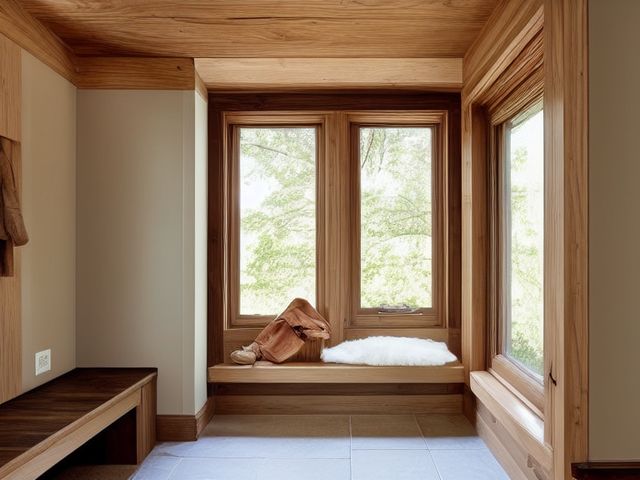
The bench, in the Mudroom. Somewhere to sit while you deal with your footwear, and a brief stop for things genuinely on their way out of the house. A bare seat wide enough for two people to lace boots at once, no more than three objects on the surface, and one labeled basket at the end holding only what is leaving tomorrow.
One session: 15-30 min, short, but most of it spent walking other people's things back to their rooms.
The short version
- Sort. Clear the bench down to bare wood in one go
- Straighten. Protect the seat itself as empty space and give the strays one outbound basket
- Shine. Wipe the seat and the front edge where boot heels scuff it
- Safety. Nothing heavy stores on a shelf above the seat, because a bike helmet
- Standardize. Three objects maximum on the surface
- Sustain. When you sit down to change your shoes
Each step in full, with what to have on hand and what done looks like, below.
Where it is
Mudroom
6 micro zones, one session each
- 1The Family Hook Zone
- 2The Bench and Transition Surface
- 3The Shoe and Boot Storage
- 4The Pet Station
- 5The Seasonal Outdoor Gear
- 6The Cleaning and Utility Zone
What done looks like
Somewhere to sit while you deal with your footwear, and a brief stop for things genuinely on their way out of the house.
- A bare seat wide enough for two people to lace boots at once
- No more than three objects on the surface
- One labeled basket at the end holding only what is leaving tomorrow
What done looks like
A bare seat wide enough for two people to lace boots at once, no more than three objects on the surface, and one labeled basket at the end holding only what is leaving tomorrow.
Common items here
- A bare seat, wide enough for two to lace boots at once
- No more than three objects, on the surface
- One labeled basket, for what's leaving tomorrow
Check these before you start
- Fall, cut, or crushA heavy hinged bench lid dropping on small fingers, and anything stored on a shelf directly above where a head bends to tie a lace.
- FallA bench seat covered in bags forces people to pull boots off standing on one leg on a wet floor.
Which of these is true here?
Match what you are actually seeing in the bench to why it keeps happening, then start at the pass that fixes that, not the top of the list.
The hinged bench seat's storage box is full, but nobody can say what's actually inside it, and it hasn't been opened in longer than a month
- The box is closed and packed deep enough that you can't say what's inside without lifting the lid and clearing the seat first. Confirm in 30 seconds: Open the door and, without moving anything, name what is at the back. If you cannot, that stock is invisible. If that checks out, start at Straighten.
- Storage under a seat everyone sits on ten times a day means checking it costs clearing the seat every single time. Confirm in 30 seconds: Fetch it once and count the movements. More than two and the storage is charging you rent every time. If that checks out, start at Straighten.
- Nobody's actually run the honest week-long lid-count the rule calls for, so the question just keeps getting deferred. Confirm in 30 seconds: Pick up one piece. If your first thought is a verb (pay, sign, call, decide) rather than a place, it needs a decision, not a home. If that checks out, start at Sort.
The bench surface is carrying more than the three objects the standard allows, most of it things that belong in another room entirely
- Most of what's piled here belongs somewhere else in the house, and it's easier to set it down on the way in than carry it the rest of the way. Confirm in 30 seconds: Stand where you use it and count the steps to where it is kept. More than two is the wrong cabinet. If that checks out, start at Straighten.
- There's no outbound basket actually doing its job, so anything genuinely leaving the house has nowhere to wait except the seat itself. Confirm in 30 seconds: Ask where one specific item lives. If two people answer differently, or nobody answers, it has no home. If that checks out, start at Straighten.
- Nobody treats taking one thing off the bench as part of standing up from it, so the pile only grows. Confirm in 30 seconds: Name the moment it happens. If the answer is "when I get round to it", there is no trigger and it will not survive a bad week. If that checks out, start at Sustain.
The bench seat is covered in bags, so the person changing shoes is balancing on one leg on a wet floor instead of sitting down
- A person balancing on one leg on a wet floor because the seat is unusable is a fall risk that outranks how convenient it was to set bags down there. Confirm in 30 seconds: Look for the four: a blade your hand would meet, weight above shoulder height, heat beside something that burns, and an unsafe placement near a child's reach. If that checks out, start at Safety.
- The seat is being used as a shelf instead of a seat, and nobody's drawn a line between the two jobs. Confirm in 30 seconds: Ask two people in the house to describe this zone when it is finished. Two different answers means there is no standard to keep. If that checks out, start at Standardize.
- Whoever put the bags there isn't the one who has to sit down and lace boots, so the cost of the pile falls on someone else. Confirm in 30 seconds: Ask who resets this zone. If the honest answer is "whoever gets to it" or two names with no agreement, there is no owner. If that checks out, start at Sustain.
Only have 15 minutes? Sit down right now and clear the bench to bare wood. Carry every item that belongs in another room there immediately rather than sliding it down the bench, and put whatever is genuinely leaving the house tomorrow into the outbound basket at the end, nothing else. Victory: The seat is bare enough for two people to lace boots at once, no more than three things sit on the surface, and the outbound basket holds only what leaves on the next trip out.
The six passes, in order
Work them in this order. Sorting after you have arranged things means arranging things you were about to remove.
This zone's full kit list is below, after the method. Skim it first if you would rather gather everything before you start.
Sort
Decide what stays. Everything else leaves the zone now.
Clear the bench down to bare wood in one go. Most of what is on it belongs in another room, so carry those things there now rather than sliding them to the far end, where they will sit for another month.
What to store it in, now that you know what you are keeping
Bins and shelves are for what Sort left behind, not a stand-in for it. Buying storage before sorting means buying a container for things you have not yet decided to keep.
Only if it applies to the bench: 8 more
Not every home needs these for the bench. Each one is here because some do, and the reason is next to it.
- Adjustable Wall Track System Secure long tools and sports equipment, in the Straighten, Standardize and Sustain passes. Do not overload; anchor wall-mounted or tall systems where required.
- Bike Wall Rack Secure bicycles off the floor, in the Straighten, Standardize and Sustain passes. Do not overload; anchor wall-mounted or tall systems where required.
- Boot Tray Contain water, mud, and outdoor footwear, in the Straighten, Standardize and Sustain passes. Do not overload; anchor wall-mounted or tall systems where required.
- Sports Ball Bin Contain loose balls and gear, in the Straighten, Standardize and Sustain passes. Do not overload; anchor wall-mounted or tall systems where required.
- Umbrella Stand Contain umbrellas vertically and allow drying, in the Straighten, Standardize and Sustain passes. Do not overload; anchor wall-mounted or tall systems where required.
- Wall Hook Rail Create labeled hanging homes, in the Straighten, Standardize and Sustain passes. Do not overload; anchor wall-mounted or tall systems where required.
- Broom and Tool Wall Clips Secure cleaning tools vertically, in the Straighten, Standardize and Sustain passes. Do not overload; anchor wall-mounted or tall systems where required.
- Shoe Rack Contain active footwear and preserve floor paths, in the Straighten, Standardize and Sustain passes. Do not overload; anchor wall-mounted or tall systems where required.
Straighten
Give what stays a home, placed where the hand actually reaches.
Protect the seat itself as empty space and give the strays one outbound basket: the library books, the parcel to return, the form waiting for a signature. Nothing that lives in this house permanently gets to sit on this bench.
Shine
Clean it, and use the cleaning to inspect what you cannot see when it is full.
Wipe the seat and the front edge where boot heels scuff it, then pull the bench away from the wall and sweep out the drift of grit, receipts and single socks underneath.
Surface by surface, all 5 of them, with what to use on each.
Safety
Make the zone safe for everybody who uses it, including the shortest person.
Nothing heavy stores on a shelf above the seat, because a bike helmet or a paint tin landing on someone bent over a bootlace is exactly how that shelf fails. Keep the seat clear enough to actually sit on, because balancing on one leg to pull off a wet boot is how people go down.
Standardize
Write down the best way you know today, so it survives you forgetting.
Three objects maximum on the surface, and the outbound basket empties on the next trip out of the door. Photograph the cleared bench and tape the picture inside the nearest cupboard door as the reference.
Sustain
Attach the reset to something that already happens, so it keeps itself.
When you sit down to change your shoes, take one thing off the bench into the house with you as you stand up. Everybody who sits does it, nobody makes a special trip, and the bench drains itself. Slip is the seat: if two people cannot sit and lace boots at once, it has become a shelf. Recovery is one armful, plus the outbound basket going out on the next trip. Outbound things are genuinely allowed to pause here, so the basket gives legitimate pausing a container instead of a surface.
The kit this zone called for
Everything above assumed you had these already. Types of thing, not brands: anything you already own that does the job is the right one to use.
- Color-coded microfiber cloth set ×12 Shine Wash by use color; avoid fabric softener.
- Neutral pH multi-surface cleaner Shine, Sustain Verify surface compatibility; lock around children and pets.
- Compact vacuum with attachments Shine Use appropriate attachment.
- Keep, Relocate, Donate, Recycle, Trash container set ×5 Sort Do not block exits.
- Portable cleaning caddy Straighten, Shine, Sustain Secure chemicals from children and pets.
- Portable label maker Standardize, Sustain Follow surface and adhesive guidance.
- Removable write-on labels Standardize Test on delicate finishes.
The lid you never lift
If your bench has a hinged storage seat, this is the decision you have been dodging: the box under the lid is full and you cannot say what is in it. Storage under a seat you sit on ten times a day is storage you will never open, because opening it means clearing the seat first. Live with it for a week and count honestly how many times you lift that lid. Fewer than three and the answer is settled. Empty it completely and refill it only with things used while sitting, spare laces, a shoe horn, a rag for wiping soles. Everything else moves somewhere you can reach without asking a person to stand up. If it is still empty in a month, leave it empty.
Cleaning it properly, surface by surface
Work down, not across. Whatever comes off a high surface lands on the one below it, so cleaning the floor first means cleaning it twice.
Carry these in with you. Neutral pH multi-surface cleaner; Color-coded microfiber cloth set; Compact vacuum with attachments; Floor-material-compatible cleaner; Portable cleaning caddy.
- The seat top and any cushion
Clear the surface to bare seat. Wipe a hard wooden or laminate top with a cloth damp with neutral pH multi-surface cleaner, following the grain. If the seat has a cushion or pad, vacuum it with the upholstery tool and lift out any crumbs caught in the piping before it goes back. - The front edge and apron
Go along the front edge and the apron below the seat with the damp cloth, where boot heels and shin kicks leave scuffs and a dark rub line. Let the cleaner sit a moment on a stubborn heel mark, then wipe it off rather than scrubbing raw. - Inside the bench box or lower cubbies
If the bench opens or has cubbies, empty it, vacuum the base and corners where sand settles, then wipe it out and let it air with the lid up until it is bone dry before anything returns. - The outgoing basket at the end
Lift the leaving-tomorrow basket off, tip its crumbs and grit into the bin, and wipe the inside and the rim with the damp cloth. Set it back empty of anything that is not genuinely going out. - The floor under and behind the bench
Pull the bench away from the wall and vacuum the drift of grit, receipts and lone socks that gathers underneath, then wipe or mop the sealed floor there with the floor-material-compatible cleaner. Slide the bench back to its marked spot only once the floor is dry.
How to clean anything else in the house, surface by surface.
Inspect as you clean. Cleaning is the only time you see the zone empty, so use it.
- When you lift a hinged lid, flag a hinge that is loose or a lid-stay that no longer holds, since that is the finger-catcher waiting to happen.
- Rock the bench as you pull it out and flag a leg joint that gives or a seat that flexes under a press of your hand.
- Look at the shelf brackets above the seat and flag any that are pulling from the wall or sitting proud of their fixings.
- Note a damp patch or a musty smell inside a closed bench box, which points to wet gear being shut in and wants flagging.
The standard that keeps it fixed
The seat is always clear, and the surface never carries more than three things.
Reset trigger. When you sit down to change your shoes.
How much the bench can actually hold
A bare seat wide enough for two people to lace boots at once, no more than three objects on the surface, and one labeled basket at the end holding only what is leaving tomorrow.
If the outgoing basket is full of things that have been there a week, it is not an outgoing basket. Put a day on it: anything that has not left by the weekend goes back to where it actually lives. Run the honest count.
When this does not describe your bench
The passes above describe the ordinary case. Plenty of real households are not ordinary, and the fix is not to skip the method, it is to run it against a different starting shape.
- The bench is also storage, with bins underneath
- The seat rule still governs the top. Underneath becomes shoes only, one bin per person, because a bench with mixed storage under it is where the shoe zone and the lost property pile merge.
- No room for a bench
- A single chair or a stool keeps the sitting, which is the actual job. Boots dealt with standing on one leg are boots that get kicked off and left, so the seat matters more than the surface does.
The rest of the mudroom
Each of these is one session on its own.
- The Family Hook Zone
- The Bench and Transition Surface, you are here
- The Shoe and Boot Storage
- The Pet Station
- The Seasonal Outdoor Gear
- The Cleaning and Utility Zone
The Mudroom in full, with what each of the 6 zones is for
The mudroom as a deck of 69 cards: the frictions people report in each zone, the root cause behind each one, and the timed action that clears it. Free to read or print.
Zones that do the same job, elsewhere in the house
Different room, different name, same real job. Each one is its own page because the room around it changes what actually works.
- The Landing Spot in the entryway
- The Bench or Console in the entryway
- The Landing Surface or Console in the stair landing
Related reading
- Found a duplicate of something in this zone?
- Is mail piling up on this exact surface?
- Moving three things to get to the one you need?
- Does more than one person use this zone?
- Does something in this zone actually get used somewhere else?
Questions people ask about this zone
- How long does it take to reset the bench?
- One session: 15-30 min, short, but most of it spent walking other people's things back to their rooms.
- What does a finished bench look like?
- A bare seat wide enough for two people to lace boots at once, no more than three objects on the surface, and one labeled basket at the end holding only what is leaving tomorrow.
- What is the hardest call to make in the bench?
- If your bench has a hinged storage seat, this is the decision you have been dodging: the box under the lid is full and you cannot say what is in it. Storage under a seat you sit on ten times a day is storage you will never open, because opening it means clearing the seat first. Live with it for a week and count honestly how many times you lift that lid. Fewer than three and the answer is settled. Empty it completely and refill it only with things used while sitting, spare laces, a shoe horn, a rag for wiping soles. Everything else moves somewhere you can reach without asking a person to stand up. If it is still empty in a month, leave it empty.
- How do you keep the bench from getting cluttered again?
- The seat is always clear, and the surface never carries more than three things. When you sit down to change your shoes.
- What do you need to clean the bench?
- Neutral pH multi-surface cleaner; Color-coded microfiber cloth set; Compact vacuum with attachments; Floor-material-compatible cleaner; Portable cleaning caddy.
- What do you clean first in the bench?
- The seat top and any cushion. Clear the surface to bare seat. Wipe a hard wooden or laminate top with a cloth damp with neutral pH multi-surface cleaner, following the grain. If the seat has a cushion or pad, vacuum it with the upholstery tool and lift out any crumbs caught in the piping before it goes back.
- Is there a fall, cut, or crush risk in the bench?
- A heavy hinged bench lid dropping on small fingers, and anything stored on a shelf directly above where a head bends to tie a lace.
- Is there a fall risk in the bench?
- A bench seat covered in bags forces people to pull boots off standing on one leg on a wet floor.
- Why does the bench do this: The hinged bench seat's storage box is full, but nobody can say what's actually inside it, and it hasn't been opened in longer than a month?
- The box is closed and packed deep enough that you can't say what's inside without lifting the lid and clearing the seat first, so start at Straighten; Storage under a seat everyone sits on ten times a day means checking it costs clearing the seat every single time, so start at Straighten; Nobody's actually run the honest week-long lid-count the rule calls for, so the question just keeps getting deferred, so start at Sort.
- Why does the bench do this: The bench surface is carrying more than the three objects the standard allows, most of it things that belong in another room entirely?
- Most of what's piled here belongs somewhere else in the house, and it's easier to set it down on the way in than carry it the rest of the way, so start at Straighten; There's no outbound basket actually doing its job, so anything genuinely leaving the house has nowhere to wait except the seat itself, so start at Straighten; Nobody treats taking one thing off the bench as part of standing up from it, so the pile only grows, so start at Sustain.
- Why does the bench do this: The bench seat is covered in bags, so the person changing shoes is balancing on one leg on a wet floor instead of sitting down?
- A person balancing on one leg on a wet floor because the seat is unusable is a fall risk that outranks how convenient it was to set bags down there, so start at Safety; The seat is being used as a shelf instead of a seat, and nobody's drawn a line between the two jobs, so start at Standardize; Whoever put the bags there isn't the one who has to sit down and lace boots, so the cost of the pile falls on someone else, so start at Sustain.
When you want it off the screen
Carry The Bench and Transition Surface into the room
The method above is complete and free. The Whole House Print Pack puts The Bench and Transition Surface and the other 113 micro zones on 684 printable cards, so the steps you just read are not stuck behind a phone screen while your hands are full.
The Print Pack, 19 dollarsJust this zone, 4 dollarsOr draw a card free
The Bench and Transition Surface on its own is 4 dollars for 6 cards. All 114 micro zones is 19 dollars for 684. The whole house is the better buy; the single zone is here so you can take only what you are working on.
If The Bench and Transition Surface keeps fighting back, the real problem usually sits somewhere else in the room. A one hour virtual consult is 250 dollars: we find the function, the friction and the root cause together, and you keep a written standard for the space.
See what a consult covers, 250 dollars
Not ready to pay for that either? Ask which zone first, free