Primary Bedroom micro zone
The Dresser Top
The dresser top, in the Primary Bedroom. This is where your pockets land at the end of the day and where tomorrow's watch and rings wait for you. One valet tray holding keys, wallet, watch and rings, with nothing sitting outside it. Fragrance bottles grouped on a small dish, set back from the front edge. No folded laundry, no receipts, no loose coins on the wood. An anti-tip strap runs from the back of the dresser into the wall.
One session: 15-30 min, most of it in Sort, working through jewelry and pocket sediment.
The short version
- Sort. Work through the pocket sediment: loose change into a jar that lives in another room
- Straighten. One tray, and everything that comes out of your pockets at night lands inside it
- Shine. Take the tray and the bottles off, wipe the top
- Safety. A tall chest of drawers that is not strapped to the wall tips forward
- Standardize. The tray is the edge, if the keys, wallet, watch
- Sustain. When you empty your pockets at night, everything goes into the tray
Each step in full, with what to have on hand and what done looks like, below.
Where it is
Primary Bedroom
6 micro zones, one session each
- 1The Bed and Bedding Zone
- 2Your Own Nightstand
- 3The Other Sleeper's Nightstand
- 4The Dresser Top
- 5The Dresser Drawers
- 6The Primary Closet
What done looks like
This is where your pockets land at the end of the day and where tomorrow's watch and rings wait for you.
- One valet tray holding keys, wallet, watch and rings, with nothing sitting outside it
- Fragrance bottles grouped on a small dish, set back from the front edge
- No folded laundry, no receipts, no loose coins on the wood
- An anti-tip strap runs from the back of the dresser into the wall
What done looks like
One valet tray holding keys, wallet, watch and rings, with nothing sitting outside it. Fragrance bottles grouped on a small dish, set back from the front edge. No folded laundry, no receipts, no loose coins on the wood. An anti-tip strap runs from the back of the dresser into the wall.
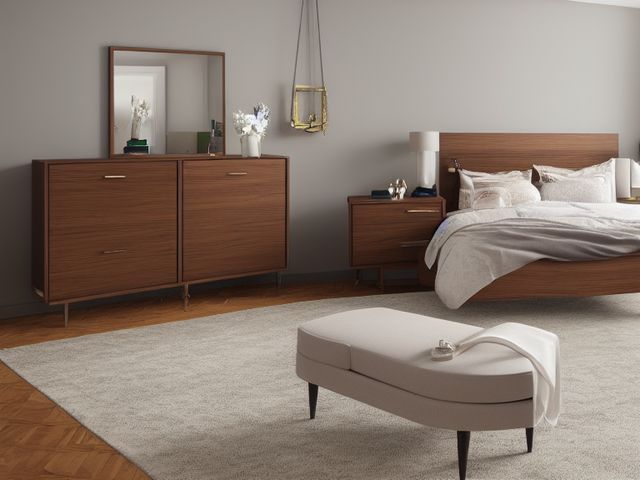
Common items here
- A valet tray holding keys, wallet, watch and rings
- Fragrance bottles, grouped on a small dish
- An anti-tip strap anchoring the dresser to the wall
What belongs, and what strays in
Belongs here:
- One valet tray holding keys, wallet, watch and rings
- Fragrance bottles, grouped on a small dish set back from the front edge
- An anti-tip strap anchoring the dresser to the wall
Strays in and should leave:
- Loose change
- A receipt
- A single earring or a snapped chain
- Jewelry you love but never put on
Check these before you start
- Fall, cut, or crushAn unstrapped tall dresser tips forward the moment a loaded drawer is open and weight goes on it, and it is heavy enough to pin a child underneath. Strap it into a stud and keep the heaviest clothes in the bottom drawers. Glass fragrance bottles parked on the front edge break into small pieces on a hard floor beside a bed you walk to barefoot. Set them back and group them on a dish.
Which of these is true here?
Match what you are actually seeing in the dresser top to why it keeps happening, then start at the pass that fixes that, not the top of the list.
There is loose change, a receipt, or a single earring sitting on the bare wood beside the tray instead of inside it
- The tray is already full, so the honest fix is thinning the keyring or moving a ring to the jewelry box, not starting a second pile. Confirm in 30 seconds: Put back only what belongs here. If it still will not close, or still stacks four deep, the capacity is the problem, not the habit. If that checks out, start at Sort.
- Loose change and receipts have no assigned home of their own once they leave your pocket. Confirm in 30 seconds: Ask where one specific item lives. If two people answer differently, or nobody answers, it has no home. If that checks out, start at Straighten.
- One receipt on bare wood does not look like much on its own, which is exactly how a second pile starts. Confirm in 30 seconds: Ask someone who does not live here to name what looks out of place. If they see it instantly and you had stopped noticing, this is the cause. If that checks out, start at Sort.
There are three or four fragrance bottles standing on the top, but you only reach for one of them
- The others were gifts, and letting them go feels like it dishonors who gave them. Confirm in 30 seconds: Ask if you would buy this again today for what it does. If the answer is no but you still cannot decide, the hold is sentimental. If that checks out, start at Sort.
- Nothing has actually been decided about the ones you have not worn in a year, so they just keep standing there. Confirm in 30 seconds: Pick up one piece. If your first thought is a verb (pay, sign, call, decide) rather than a place, it needs a decision, not a home. If that checks out, start at Sort.
- They have stood in the same spot so long that four bottles does not register as three too many. Confirm in 30 seconds: Ask someone who does not live here to name what looks out of place. If they see it instantly and you had stopped noticing, this is the cause. If that checks out, start at Sort.
The dresser is not strapped to the wall, and a drawer left open sits low enough for a child to lean on
- A tall unstrapped chest can tip forward and pin a child, and that outranks how a strap looks on the wall. Confirm in 30 seconds: Look for the four: a blade your hand would meet, weight above shoulder height, heat beside something that burns, and an unsafe placement near a child's reach. If that checks out, start at Safety.
- Fitting it means finding a stud and doing a small job that keeps getting pushed to another weekend. Confirm in 30 seconds: Name the moment it happens. If the answer is "when I get round to it", there is no trigger and it will not survive a bad week. If that checks out, start at Sustain.
- It has stood unstrapped since it was delivered, so the risk stopped registering the moment it became furniture. Confirm in 30 seconds: Ask someone who does not live here to name what looks out of place. If they see it instantly and you had stopped noticing, this is the cause. If that checks out, start at Sort.
Only have 15 minutes? Sweep the dresser top down to just the valet tray and the fragrance dish: pocket sediment (change, receipts, stray jewelry) gets sorted into a jar, the bin, or the repair bag, and any bottle you have not reached for in a year comes off entirely. Victory: The dresser top holds only the valet tray and a small dish of fragrance bottles, and nothing loose sits on the bare wood.
The six passes, in order
Work them in this order. Sorting after you have arranged things means arranging things you were about to remove.
This zone's full kit list is below, after the method. Skim it first if you would rather gather everything before you start.
Sort
Decide what stays. Everything else leaves the zone now.
Work through the pocket sediment: loose change into a jar that lives in another room, receipts binned or photographed, single earrings and snapped chains into one small bag you either take to a repair counter this month or let go. Jewelry you love but never put on moves to a box in the closet, not back onto this top.
What to store it in, now that you know what you are keeping
Bins and shelves are for what Sort left behind, not a stand-in for it. Buying storage before sorting means buying a container for things you have not yet decided to keep.
Only if it applies to the dresser top: 6 more
Not every home needs these for the dresser top. Each one is here because some do, and the reason is next to it.
- Jewelry and Valet Tray Contain small personal items, in the Straighten, Standardize and Sustain passes. Do not overload; anchor wall-mounted or tall systems where required.
- Folding Laundry Basket ×3 Move clean laundry back to rooms, in the Straighten, Standardize and Sustain passes. Do not overload; anchor wall-mounted or tall systems where required.
- Laundry Hamper Sorter Separate laundry by household method, in the Straighten, Standardize and Sustain passes. Do not overload; anchor wall-mounted or tall systems where required.
- Remote Control Tray Create one visible home for controls, in the Straighten, Standardize and Sustain passes. Do not overload; anchor wall-mounted or tall systems where required.
- Charging Dock Create one controlled device charging home, in the Straighten, Standardize and Sustain passes. Do not overload; anchor wall-mounted or tall systems where required.
- Drawer Divider Set Create visible subcategories in shallow drawers, in the Straighten, Standardize and Sustain passes. Do not overload; anchor wall-mounted or tall systems where required.
Straighten
Give what stays a home, placed where the hand actually reaches.
One tray, and everything that comes out of your pockets at night lands inside it. Fragrance gets its own dish so the bottles stop wandering, and folded clothes never rest here on the way to the drawer.
Shine
Clean it, and use the cleaning to inspect what you cannot see when it is full.
Take the tray and the bottles off, wipe the top, and work at the sticky ring under the fragrance where the sprayer has been misting the wood for years. Wipe the drawer fronts and the handles while the top is bare.
Surface by surface, all 6 of them, with what to use on each.
Safety
Make the zone safe for everybody who uses it, including the shortest person.
A tall chest of drawers that is not strapped to the wall tips forward when a loaded drawer is open and a child leans on it. Fit an anti-tip strap into a stud, and keep the glass bottles back from the edge so they cannot be knocked onto a hard floor.
Standardize
Write down the best way you know today, so it survives you forgetting.
The tray is the edge. If the keys, wallet, watch and rings will not sit in it without stacking, thin the keyring or move a ring to the jewelry box rather than starting a second pile beside the tray.
Sustain
Attach the reset to something that already happens, so it keeps itself.
When you empty your pockets at night, everything goes into the tray and nothing goes down beside it. That is the whole habit, it belongs to whoever the pockets are, and it costs no time. The tray is the edge, so slip is obvious: one receipt or one spare set of keys on bare wood, which is how a second pile starts every time. Recovery is not a bigger tray. Thin the keyring or move a ring to the jewelry box. Everything here grows slowly, and the tray is the only thing that will say so.
The kit this zone called for
Everything above assumed you had these already. Types of thing, not brands: anything you already own that does the job is the right one to use.
- Color-coded microfiber cloth set ×12 Shine Wash by use color; avoid fabric softener.
- Neutral pH multi-surface cleaner Shine, Sustain Verify surface compatibility; lock around children and pets.
- Compact vacuum with attachments Shine Use appropriate attachment.
- Keep, Relocate, Donate, Recycle, Trash container set ×5 Sort Do not block exits.
- Portable cleaning caddy Straighten, Shine, Sustain Secure chemicals from children and pets.
- Portable label maker Standardize, Sustain Follow surface and adhesive guidance.
- Removable write-on labels Standardize Test on delicate finishes.
Only if it applies to the dresser top: 2 more
- Floor-material-compatible cleaner Shine, Sustain Match cleaner to floor material.
- Anti-tip anchors and hardware Safety Install to manufacturer and wall-type requirements.
The perfume you were given
There are three or four bottles standing up here and you wear one of them. The others were gifts, or they were expensive, or they were who you were five years ago. Fragrance turns. A bottle that has stood open for years smells sharper and flatter than the one you were handed, and one you have not reached for in a full year will not be reached for now. Keep the one you wear and the one you honestly alternate to. The rest go, and the guilt goes with them, because whoever gave it to you wanted you to smell good, not to store glass. The same test sorts the jewelry: worn in the last year stays in the tray, loved but unworn goes to a box in the closet, neither worn nor loved leaves the house.
Cleaning it properly, surface by surface
Take everything off the top and go after the sticky fragrance ring the bottles have been hiding for years. Back edge and wall gap first, then the top, the fronts, the sides, and the floor underneath.
Work down, not across. Whatever comes off a high surface lands on the one below it, so cleaning the floor first means cleaning it twice.
Carry these in with you. Portable cleaning caddy; Compact vacuum with attachments; Color-coded microfiber cloth set; Neutral pH multi-surface cleaner; Floor-material-compatible cleaner.
- The wall gap and the top back edge
Vacuum the dust from the narrow gap behind the dresser, then wipe the back edge of the top where a cloth rarely reaches. - The dresser top and the fragrance ring
Take the tray and bottles off, wipe the whole top, and work patiently at the sticky ring under the fragrance where the sprayer has been misting the wood. - The valet tray and the fragrance bottles
Empty the tray and wipe it inside and out, then clean the necks and bases of the bottles where scent has run down and gone tacky. - The drawer fronts and the handles
Wipe each front and get into the handles where hands leave an oily film. - The sides and legs of the dresser
Wipe both sides and the legs with a damp cloth, taking off the dust that clings to a waxed finish. - The floor beneath and behind
Ease the dresser out if you safely can, vacuum the exposed strip and corners, then clean the floor with the floor-material-compatible cleaner.
How to clean anything else in the house, surface by surface.
Inspect as you clean. Cleaning is the only time you see the zone empty, so use it.
- A white, cloudy ring under the fragrance that no longer wipes away, meaning the alcohol has cut into the finish.
- A veneer edge lifting or a corner joint opening on the carcass.
- The anti-tip strap gone slack, or its wall screw sitting proud of the anchor.
- A leg that rocks on the floor, or a caster that has cracked.
The standard that keeps it fixed
One valet tray holds every daily-carry item; if it will not sit in the tray, it does not live on the dresser.
Reset trigger. When you empty your pockets at the end of the day, the tray takes all of it and the wood stays bare.
How much the dresser top can actually hold
One valet tray holding keys, wallet, watch and rings, with nothing sitting outside it, plus one small dish for fragrance set back from the front edge. If it will not sit in the tray, it does not live on the dresser.
If two people empty their pockets here, that is two trays and not one larger one, and the fragrance dish moves off the dresser to make the room. If the tray will not hold one person's daily carry without lifting something out first, the tray is undersized rather than overfull. Run the honest count.
When this does not describe your dresser top
The passes above describe the ordinary case. Plenty of real households are not ordinary, and the fix is not to skip the method, it is to run it against a different starting shape.
- Two people empty their pockets onto the same dresser
- One shared tray turns into a morning hunt through somebody else's things. Give each person their own tray, set apart rather than side by side, so nobody has to lift the other's wallet to find their keys, and let the fragrance and anything decorative leave the top entirely.
- The dresser is low, built in, or already anchored to the wall
- The tipping risk is genuinely absent, so the anti-tip strap stops being the first job and the front-edge rule matters more instead. A low dresser puts its top at a small child's eye and hand height, which turns fragrance, jewelry and anything with a small removable part into a reaching problem rather than a falling one.
The rest of the primary bedroom
Each of these is one session on its own.
- The Bed and Bedding Zone
- Your Own Nightstand
- The Other Sleeper's Nightstand
- The Dresser Top, you are here
- The Dresser Drawers
- The Primary Closet
The Primary Bedroom in full, with what each of the 6 zones is for
The primary bedroom as a deck of 66 cards: the frictions people report in each zone, the root cause behind each one, and the timed action that clears it. Free to read or print.
Zones that do the same job, elsewhere in the house
Different room, different name, same real job. Each one is its own page because the room around it changes what actually works.
- The Dresser Drawers in the primary bedroom
- The Guest Dresser in the guest bedroom
- The Dresser Drawers in the kids bedroom
Related reading
- Is this where the second pile of keys starts?
- Have you stopped noticing the clutter in this zone?
- Still does not fit, even after the honest count?
- Stuck on one item in this zone?
- Why the standard above names one home per category
Questions people ask about this zone
- How long does it take to reset the dresser top?
- One session: 15-30 min, most of it in Sort, working through jewelry and pocket sediment.
- What does a finished dresser top look like?
- One valet tray holding keys, wallet, watch and rings, with nothing sitting outside it. Fragrance bottles grouped on a small dish, set back from the front edge. No folded laundry, no receipts, no loose coins on the wood. An anti-tip strap runs from the back of the dresser into the wall.
- What is the hardest call to make in the dresser top?
- There are three or four bottles standing up here and you wear one of them. The others were gifts, or they were expensive, or they were who you were five years ago. Fragrance turns. A bottle that has stood open for years smells sharper and flatter than the one you were handed, and one you have not reached for in a full year will not be reached for now. Keep the one you wear and the one you honestly alternate to. The rest go, and the guilt goes with them, because whoever gave it to you wanted you to smell good, not to store glass. The same test sorts the jewelry: worn in the last year stays in the tray, loved but unworn goes to a box in the closet, neither worn nor loved leaves the house.
- How do you keep the dresser top from getting cluttered again?
- One valet tray holds every daily-carry item; if it will not sit in the tray, it does not live on the dresser. When you empty your pockets at the end of the day, the tray takes all of it and the wood stays bare.
- What do you need to clean the dresser top?
- Portable cleaning caddy; Compact vacuum with attachments; Color-coded microfiber cloth set; Neutral pH multi-surface cleaner; Floor-material-compatible cleaner.
- What do you clean first in the dresser top?
- The wall gap and the top back edge. Vacuum the dust from the narrow gap behind the dresser, then wipe the back edge of the top where a cloth rarely reaches.
- Is there a fall, cut, or crush risk in the dresser top?
- An unstrapped tall dresser tips forward the moment a loaded drawer is open and weight goes on it, and it is heavy enough to pin a child underneath. Strap it into a stud and keep the heaviest clothes in the bottom drawers. Glass fragrance bottles parked on the front edge break into small pieces on a hard floor beside a bed you walk to barefoot. Set them back and group them on a dish.
- Why does the dresser top do this: There is loose change, a receipt, or a single earring sitting on the bare wood beside the tray instead of inside it?
- The tray is already full, so the honest fix is thinning the keyring or moving a ring to the jewelry box, not starting a second pile, so start at Sort; Loose change and receipts have no assigned home of their own once they leave your pocket, so start at Straighten; One receipt on bare wood does not look like much on its own, which is exactly how a second pile starts, so start at Sort.
- Why does the dresser top do this: There are three or four fragrance bottles standing on the top, but you only reach for one of them?
- The others were gifts, and letting them go feels like it dishonors who gave them, so start at Sort; Nothing has actually been decided about the ones you have not worn in a year, so they just keep standing there, so start at Sort; They have stood in the same spot so long that four bottles does not register as three too many, so start at Sort.
- Why does the dresser top do this: The dresser is not strapped to the wall, and a drawer left open sits low enough for a child to lean on?
- A tall unstrapped chest can tip forward and pin a child, and that outranks how a strap looks on the wall, so start at Safety; Fitting it means finding a stud and doing a small job that keeps getting pushed to another weekend, so start at Sustain; It has stood unstrapped since it was delivered, so the risk stopped registering the moment it became furniture, so start at Sort.
When you want it off the screen
Carry The Dresser Top into the room
The method above is complete and free. The Whole House Print Pack puts The Dresser Top and the other 113 micro zones on 684 printable cards, so the steps you just read are not stuck behind a phone screen while your hands are full.
The Print Pack, 19 dollarsJust this zone, 4 dollarsOr draw a card free
The Dresser Top on its own is 4 dollars for 6 cards. All 114 micro zones is 19 dollars for 684. The whole house is the better buy; the single zone is here so you can take only what you are working on.
If The Dresser Top keeps fighting back, the real problem usually sits somewhere else in the room. A one hour virtual consult is 250 dollars: we find the function, the friction and the root cause together, and you keep a written standard for the space.
See what a consult covers, 250 dollars
Not ready to pay for that either? Ask which zone first, free